Contemporary Art
Art produced from the mid-20th century to the present day, encompassing a vast diversity of styles, media, and conceptual approaches that reflect current cultural, social, and technological conditions.
What Is Contemporary Art?
Contemporary art is a broad term that generally refers to art made from around 1970 to the present, though some definitions extend back to 1945. Unlike earlier periods defined by shared stylistic characteristics, contemporary art is distinguished by its diversity. It encompasses painting, sculpture, photography, video, installation, performance, digital art, and hybrid forms that defy traditional categorization. What unites contemporary art is not a visual style but a shared cultural moment and a willingness to question the boundaries of what art can be.
The contemporary art world is global in scope. Artists from every continent contribute to an international conversation that takes place through exhibitions, biennials, art fairs, and digital platforms. Major figures like Gerhard Richter, who moves fluidly between photorealistic and abstract painting, and Ai Weiwei, whose work confronts political power through sculpture and installation, demonstrate the range of practices the term encompasses. Younger artists like Njideka Akunyili Crosby and Oscar Murillo bring questions of cultural identity, migration, and globalization to the forefront of their work.
The institutions and market structures around contemporary art have expanded dramatically since the 1990s. The proliferation of art fairs like Art Basel and Frieze, the growth of mega-galleries, and the emergence of contemporary art as an asset class have transformed the economics of the field. Contemporary art auctions now generate billions of dollars annually, with works by living artists sometimes surpassing the prices achieved by historical masters.
Why Does It Matter for Collectors?
Contemporary art offers the widest range of collecting opportunities at every price level. Because many contemporary artists are living and still producing work, collectors can build direct relationships with artists and galleries, acquiring works at primary market prices before they appreciate on the secondary market. This aspect of discovery and early support is one of the great pleasures of collecting contemporary art.
However, the contemporary market also carries risks. Not every artist whose prices rise quickly will sustain that growth, and speculative buying driven by hype rather than genuine appreciation can lead to disappointing outcomes. The most successful contemporary collectors tend to develop deep knowledge of the artists and movements they collect, attend exhibitions regularly, and build relationships with gallerists, curators, and other collectors who can provide informed perspectives.
Related Terms
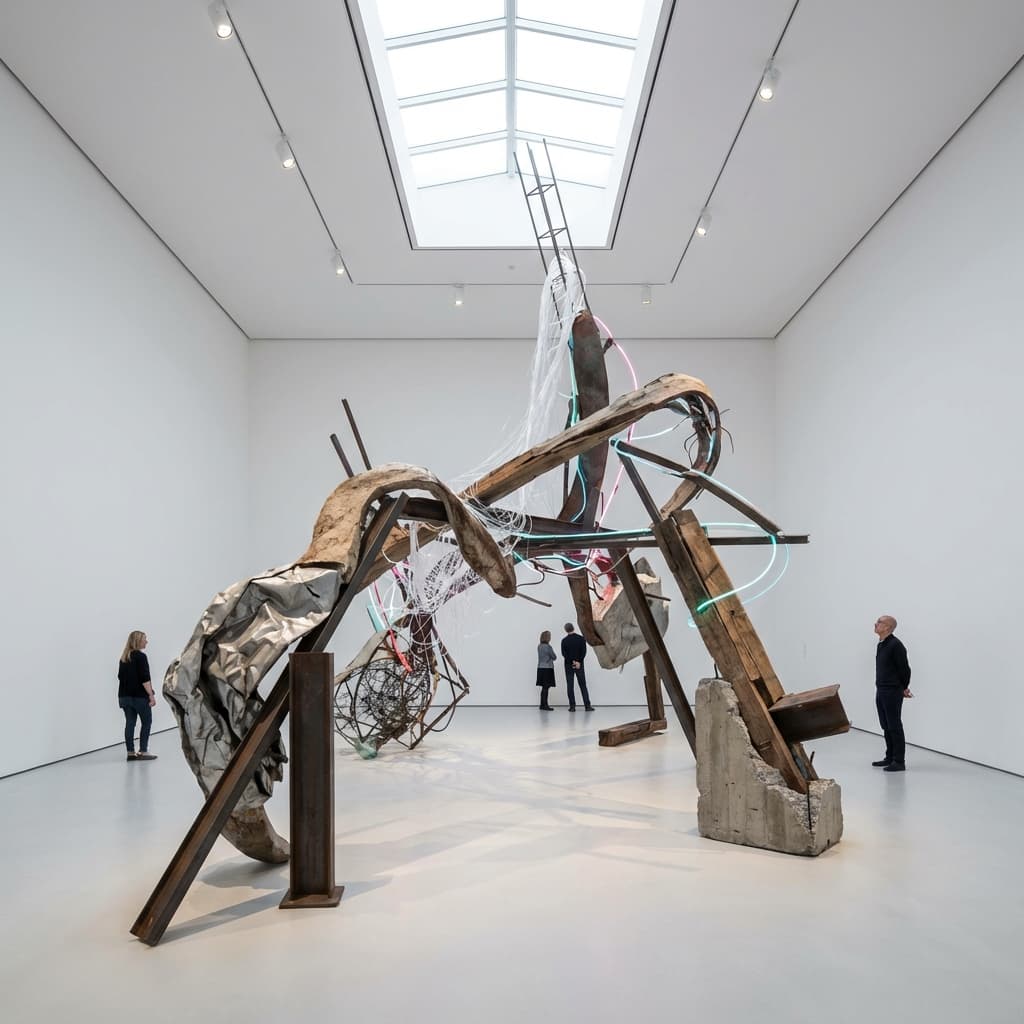
Visual representation of Contemporary Art