Art Fair
A large-scale commercial event where galleries present and sell artworks in temporary booth exhibitions, serving as a major marketplace for collectors, dealers, curators, and art professionals.
What Is an Art Fair?
An art fair is a temporary commercial exhibition where dozens or hundreds of galleries from around the world rent booths to display and sell artworks. These events have become central to the global art market, functioning as concentrated marketplaces where an enormous volume of buying, selling, networking, and discovery takes place over the course of a few days. The modern art fair model emerged in the late 1960s with the founding of Art Cologne in 1967 and Art Basel in 1970, and it has since expanded into a global circuit that drives a significant portion of annual art sales.
The largest and most prestigious fairs include Art Basel (with editions in Basel, Miami Beach, and Hong Kong), Frieze (London and New York), FIAC in Paris, and The Armory Show in New York. These flagship events attract the most powerful galleries, the wealthiest collectors, and extensive media coverage. In addition to these major fairs, hundreds of smaller regional and specialized fairs operate around the world, catering to specific segments of the market such as prints, photography, emerging art, or works under a certain price point.
Art fairs offer a unique experience for collectors because they compress what might otherwise require months of gallery visits into a single venue. You can compare works across dozens of galleries, discover new artists, and make purchases in an environment designed for transactions. Many galleries save their best available works for fair presentations, and some use fairs to debut new projects or introduce artists to new markets.
Why Does It Matter for Collectors?
For collectors, art fairs are valuable both as purchasing opportunities and as educational experiences. Walking a major fair provides an unparalleled survey of what is happening in the art market at a given moment, from pricing trends to emerging movements. The concentrated environment also facilitates relationship building with gallerists, a crucial element of successful collecting.
However, the fair environment can also encourage impulsive purchases. The pressure of limited time, competition from other buyers, and the stimulating atmosphere can lead collectors to buy hastily. Experienced collectors recommend previewing the exhibitor list and booth layouts in advance, identifying target galleries and artists, and setting a budget before attending. If a work catches your eye, ask the gallery for detailed information, including provenance, exhibition history, and price, and take time to reflect before committing.
Related Terms
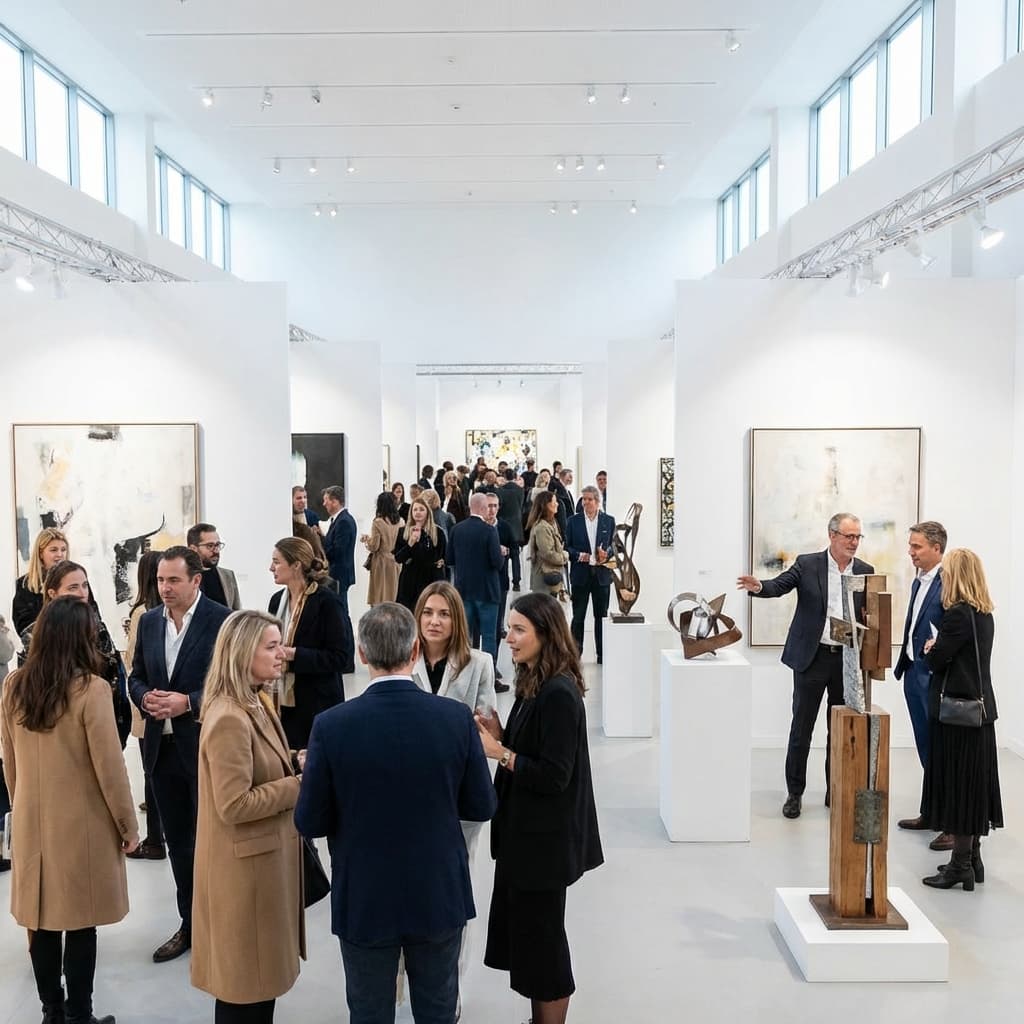
Visual representation of Art Fair