Baroque
A highly ornate and dramatic artistic style that flourished in Europe from the late 16th to the early 18th century, characterized by grandeur, rich color, deep shadows, and emotional intensity.
What Is Baroque Art?
The Baroque period spans roughly from the late 1500s to the early 1700s, and it produced some of the most emotionally powerful and technically accomplished art in Western history. The style emerged in Rome as part of the Catholic Counter-Reformation, when the Church commissioned grand, dramatic works designed to inspire awe and devotion in viewers. From Italy, the Baroque spread across Europe, adapting to local cultures and taking on distinct regional characteristics in Spain, the Netherlands, Flanders, and France.
Baroque art is defined by its sense of movement, contrast, and theatricality. Painters employed dramatic lighting, often using deep chiaroscuro to create powerful contrasts between light and shadow. Compositions are dynamic and frequently asymmetrical, with figures caught in moments of intense action or emotion. Caravaggio is widely regarded as the pioneer of Baroque painting, and his raw, naturalistic style and revolutionary use of light influenced generations of artists. Peter Paul Rubens brought exuberant energy and rich color to monumental canvases, while Rembrandt van Rijn used the Baroque vocabulary to create deeply introspective portraits and biblical scenes. In Spain, Diego Velazquez produced works of astonishing technical virtuosity, and his "Las Meninas" remains one of the most analyzed paintings in art history.
Beyond painting, the Baroque encompassed sculpture, architecture, and music. Gian Lorenzo Bernini's sculptural works, such as "The Ecstasy of Saint Teresa," capture frozen moments of transcendent emotion with remarkable realism. Baroque architecture favored curved forms, elaborate decoration, and vast interior spaces designed to overwhelm the senses.
Why Does It Matter for Collectors?
Baroque works by major masters are primarily held in museums and institutional collections, placing them largely beyond the reach of private collectors. However, works by lesser-known Baroque artists, period drawings, and prints remain available and can represent extraordinary value. Dutch and Flemish Baroque paintings, in particular, appear regularly at auction across a wide range of price points.
For collectors interested in this era, condition assessment is critical, as works are centuries old and may have undergone multiple restorations. Provenance research is equally important, both for authentication and to trace the history of ownership. The scholarly infrastructure around Baroque art is extensive, and consulting catalogue raisonnes and academic publications can help collectors make informed acquisitions.
Related Terms
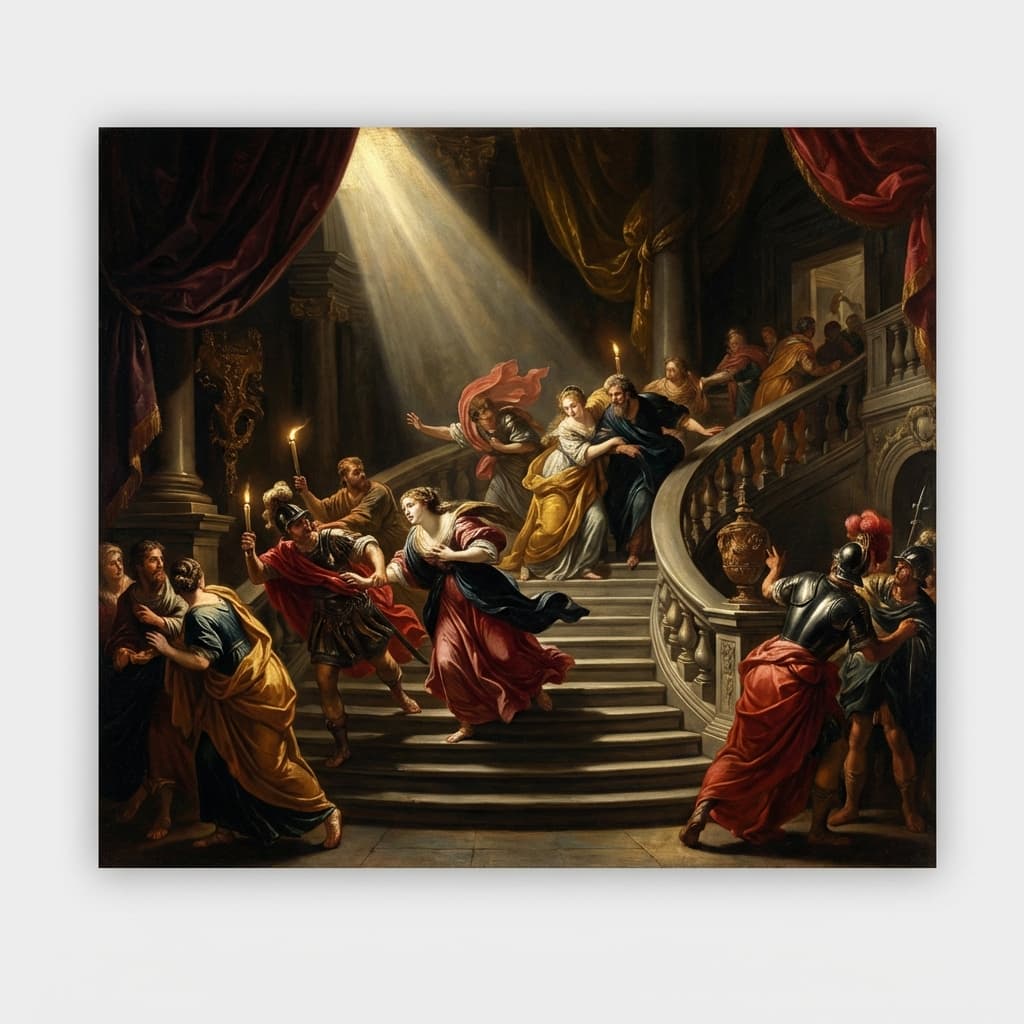
Visual representation of Baroque